
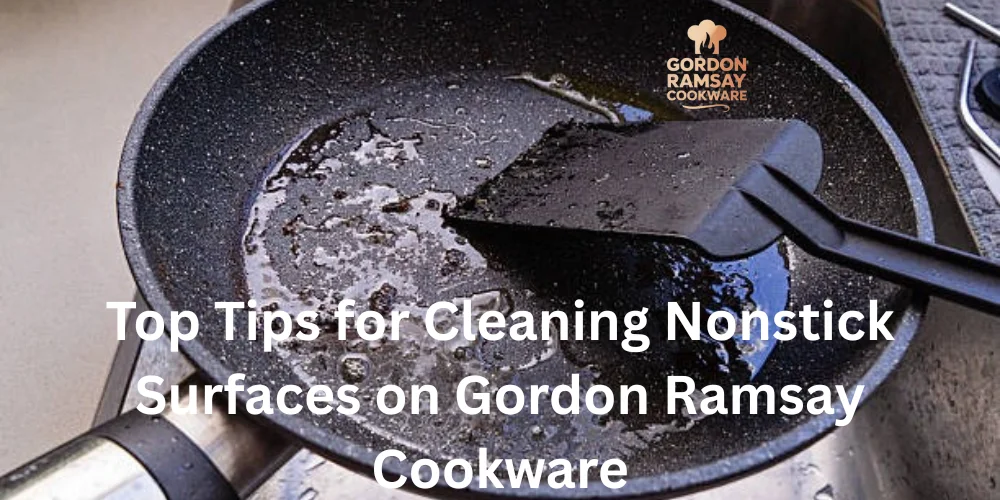
Keeping your Gordon Ramsay cookware in top condition starts with proper cleaning. The nonstick surface is designed to make cooking easier and healthier, but it also requires the right care to maintain its performance and lifespan. If you’ve ever noticed food sticking or the coating looking dull, chances are you’re not cleaning it correctly. Learning how to clean nonstick cookware properly can keep it looking new and performing like the day you bought it.
Top Tips for Cleaning Nonstick Surfaces on Gordon Ramsay Cookware
Cleaning nonstick cookware doesn’t have to be complicated. With the right approach, you can remove residue, prevent damage, and extend the life of your pots and pans. Let’s go through some effective, easy-to-follow tips that will help you keep your Gordon Ramsay nonstick cookware spotless and long-lasting.
1. Let the Cookware Cool Before Cleaning
Never run cold water over a hot nonstick pan. The sudden temperature change can cause the coating to warp or crack over time. Always allow your cookware to cool completely before washing it. Once cooled, you can gently clean it without risking damage to the nonstick surface.
2. Use Mild Soap and a Soft Sponge
When cleaning nonstick surfaces, stick to gentle cleaning tools. Use mild dish soap and a soft sponge or cloth. Avoid steel wool, scouring pads, or harsh scrubbing brushes, as they can scratch the coating. Even a small scratch can affect how well the nonstick layer performs.
3. Avoid Cooking Sprays
While it might seem convenient, aerosol cooking sprays can leave a sticky residue that builds up over time. This residue can make your pan harder to clean and affect its nonstick ability. Instead, use a small amount of oil or butter when needed, applied with a paper towel or silicone brush.
4. Remove Stubborn Residue with Baking Soda
If food residue or grease remains on your Gordon Ramsay nonstick cookware, sprinkle a little baking soda on the surface and add warm water. Let it sit for about 15 minutes, then gently scrub with a soft sponge. Baking soda is mild but effective at breaking down stubborn grime without scratching the surface.
5. Don’t Put It in the Dishwasher
Even though some nonstick pans claim to be dishwasher-safe, handwashing is always best. The harsh detergents and high heat of a dishwasher can wear down the coating over time. To preserve the quality of your cookware, wash it by hand and dry it immediately with a soft towel.
6. Clean the Exterior Too
Don’t forget about the outside of your cookware. Oil splatters and residue can accumulate on the exterior, which can burn when heated and cause discoloration. Wipe the outside with warm, soapy water and a soft cloth after each use to keep it looking clean and polished.
7. Store Your Cookware Properly
Proper storage helps maintain the nonstick surface. Avoid stacking pans directly on top of each other without protection. Place a soft cloth, paper towel, or pan protector between them to prevent scratches. Good storage habits can make your Gordon Ramsay cookware last much longer.
Frequently Asked Questions
How often should I clean my Gordon Ramsay cookware?
Clean your cookware after every use. Regular cleaning prevents buildup that can damage the nonstick surface over time.
Can I use metal utensils on nonstick cookware?
No, metal utensils can scratch the nonstick coating. Always use wooden, silicone, or plastic utensils to protect the surface.
What should I do if the nonstick surface starts peeling?
If the coating starts to peel or flake, it’s best to replace the cookware. Cooking on a damaged nonstick surface can affect your food and safety.
Is soaking nonstick cookware safe?
Yes, soaking is safe as long as you use warm water and mild detergent. Avoid using hot water immediately after cooking to prevent warping.
Why does my nonstick pan still stick after cleaning?
Residue buildup or scratches can cause sticking. Clean with baking soda or replace the pan if the coating is worn out.
Conclusion
Caring for your Gordon Ramsay nonstick cookware doesn’t take much effort, but it does require the right habits. Avoid harsh cleaners, never use metal utensils, and wash by hand to keep your cookware performing at its best. With proper care and cleaning, your nonstick surfaces will continue to deliver flawless results for years, making every cooking experience more enjoyable and effortless.